Book an Appointment
Loading available times…
Book an Appointment
Loading available times…
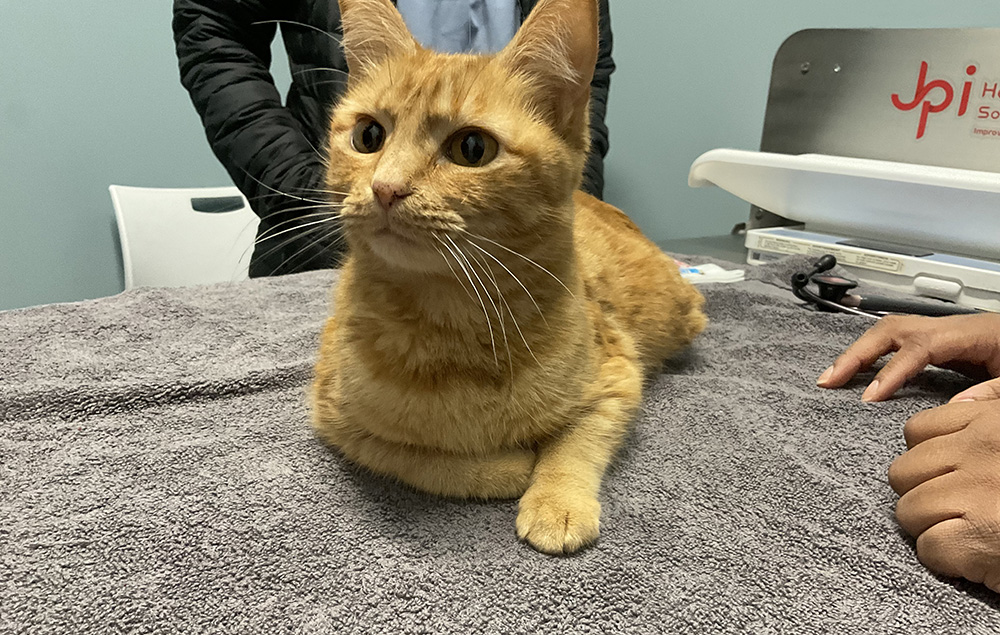
Older pets require more frequent monitoring and targeted care.
Semi-Annual Exams for Senior Pets
- Conduct a comprehensive physical examination to check for changes in weight, mobility, dental health, and overall health.
- Update appropriate vaccinations.
- Screen for signs of arthritis, cognitive decline, or other common aging-related issues.
- Provide recommendations for nutrition and lifestyle adjustments to support aging joints and organ health.
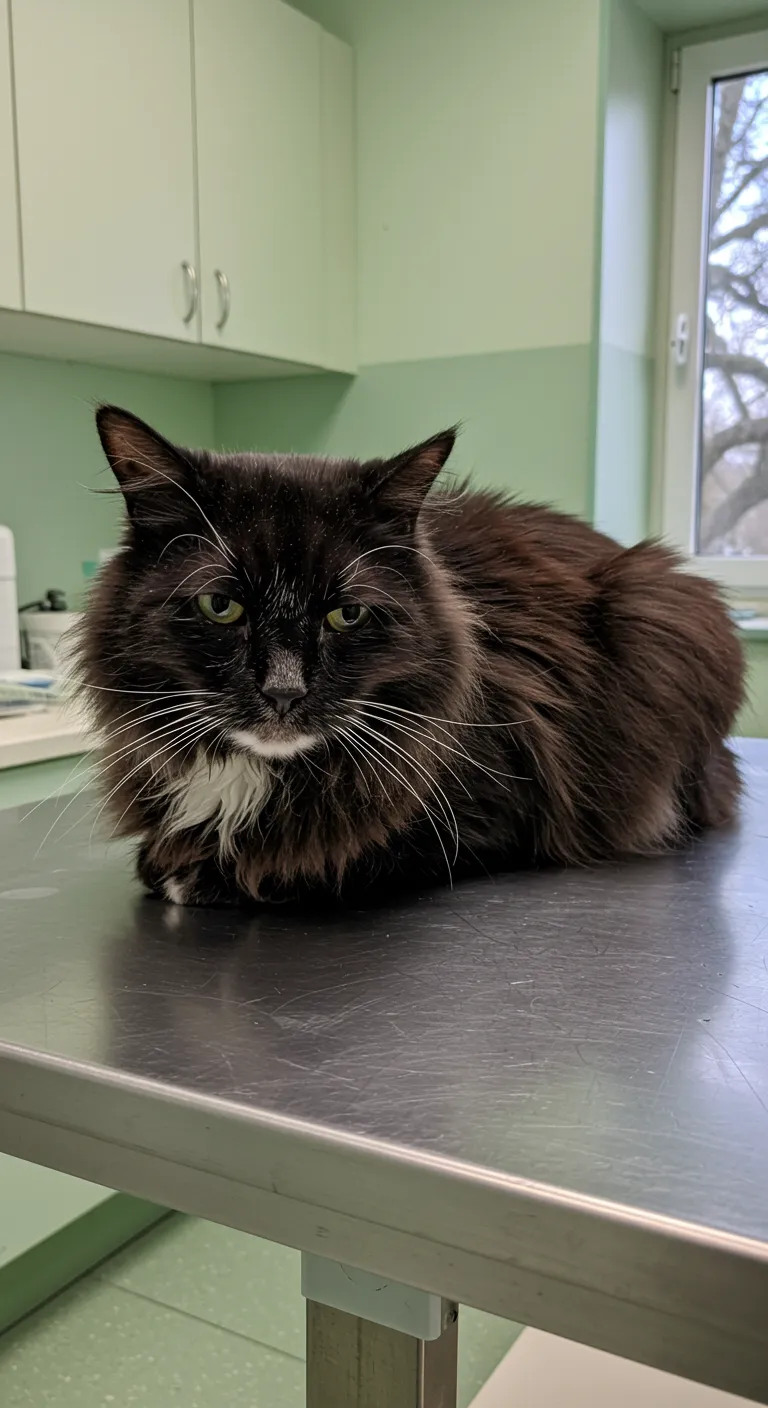
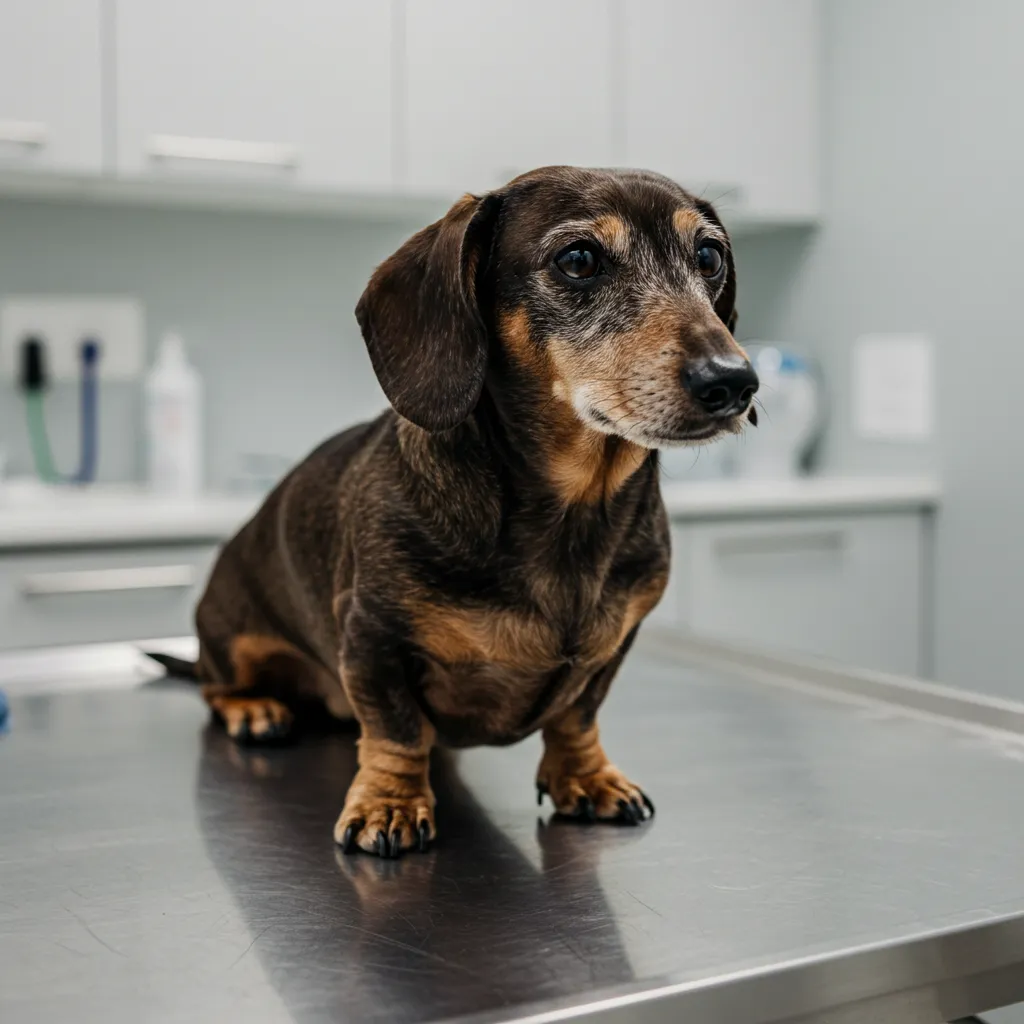
Annual lab work is an essential part of senior pet care.
As pets age, their bodies undergo natural changes that may not always be visible. Lab testing with a veterinarian detects underlying conditions before symptoms appear, allowing for early intervention and management. Regular lab work enables our vet team to tailor a healthcare plan that meets your pet’s individual needs, improving longevity and comfort.
Common diagnostics for senior pets include bloodwork, urinalysis, and certain screenings like fecal testing. Bloodwork evaluates your aging pet’s kidney and liver function, detects diabetes, and assesses thyroid health. Urinalysis identifies infections, kidney disease, or diabetes. Fecal tests screen for parasites that can impact digestion and overall health.
Managing Chronic Health Conditions in Aging Pets
- Arthritis: Causes joint pain and stiffness; managed through medications, joint supplements, and lifestyle changes.
- Hyperthyroidism or Hypothyroidism: Affects metabolism and energy levels; treated with medication or dietary adjustments.
- Kidney Disease: A progressive condition that requires dietary management and hydration support.
- Diabetes: Requires insulin therapy and careful dietary regulation.
- Epilepsy: May require medication to control seizures and maintain a stable quality of life.
- Allergies: Can worsen or develop with age, affecting skin and respiratory health.